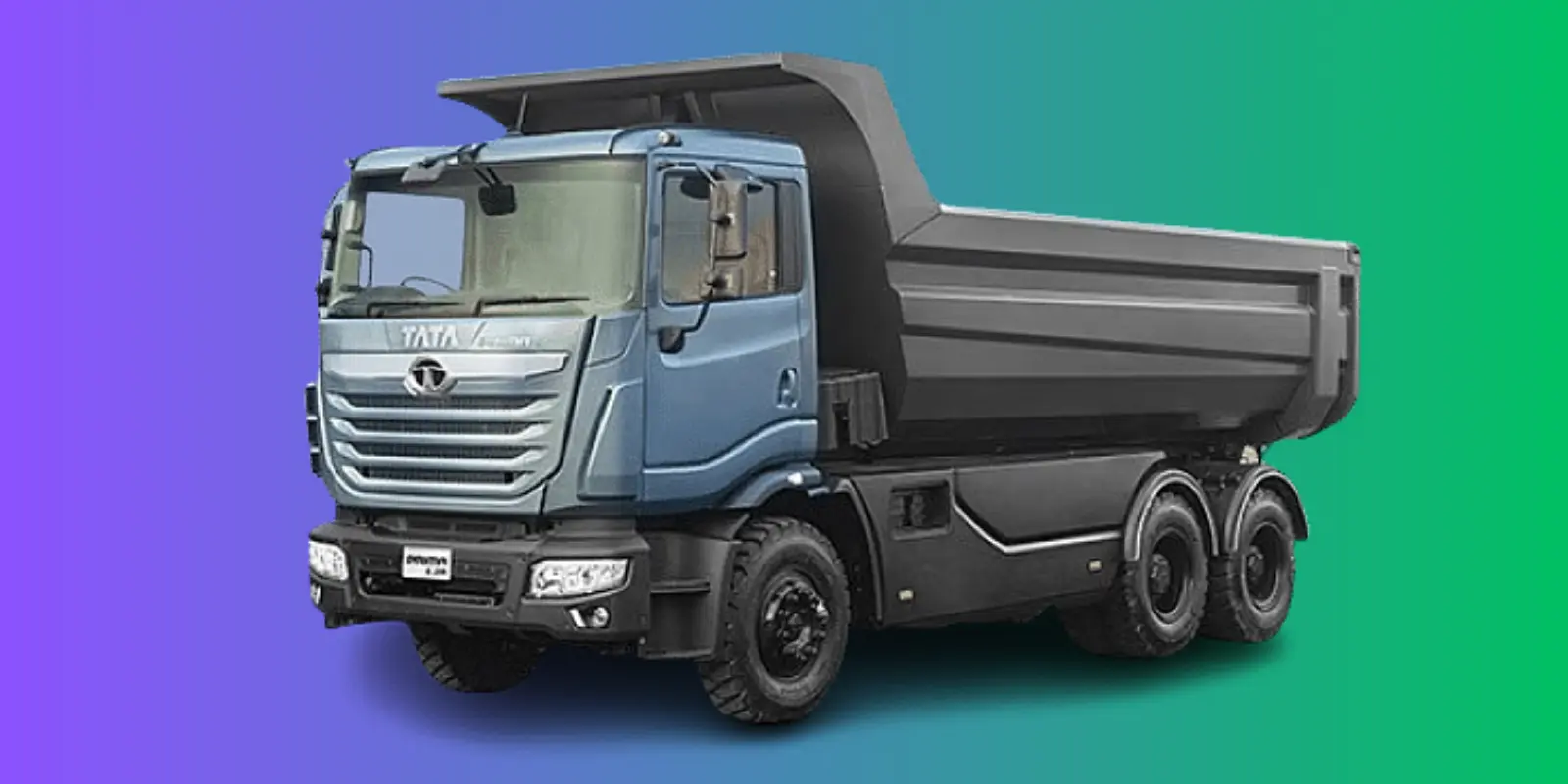
💡 Best Electric Trucks for Fleet Operators: Key Highlights
- India’s electric commercial vehicle sales grew 425% between 2021 and 2023 — fleet operators are the primary buyers
- Tata Motors dominates with the Ace EV, Ultra EV, and Signa EV series — covering 1-tonne to 28-tonne payloads
- Total cost of ownership (TCO) advantage: EVs save ₹1.5–3 per km vs diesel in the 1–5 tonne segment
- FAME II and PM e-DRIVE subsidies reduce upfront cost by ₹50,000–₹5 lakh depending on vehicle category
- Fleet operators managing 10+ electric trucks need a unified charging management platform — not individual CPO apps
India’s logistics sector is electrifying faster than any other commercial vehicle segment. For fleet operators managing delivery runs, last-mile fulfilment, or long-haul routes, the shift to electric trucks is no longer a future consideration — it is a present procurement decision. The question is no longer whether to electrify your truck fleet, but which vehicles give you the best combination of payload, range, charging compatibility, and total cost of ownership for your specific operations.
This guide covers the best electric trucks for fleet operators in India in 2026 — evaluated from a fleet management perspective, not a consumer review lens. Every vehicle is assessed on the factors that matter to commercial operators: payload capacity, operational range, charging time, network compatibility, and YoMobility integration support.
What Fleet Operators Should Look For in an Electric Truck
Consumer reviews focus on range and price. Fleet operators need to evaluate differently. Before comparing models, define your operational requirements against these five criteria:
- Payload capacity: Does the vehicle handle your typical load without payload compromise at low battery?
- Operational range per charge: Does the real-world range cover your longest single route without mid-route charging?
- Charging infrastructure compatibility: Is the vehicle compatible with the CPO networks available at your depots and along your routes?
- Fleet management software support: Can the vehicle’s telematics integrate with your fleet management platform for live SOC tracking?
- Total cost of ownership over 5 years: Factor in purchase price minus subsidies, electricity costs, maintenance savings, and residual value.
Best Light Commercial Electric Trucks (Up to 3.5 Tonnes)
Light commercial vehicles are the fastest-adopting segment for fleet electrification in India — driven by last-mile logistics operators, e-commerce delivery companies, and urban distribution fleets.
Tata Ace EV
Payload: 750 kg | Range: 154 km | Charging: AC fast charge (0–80% in ~4.5 hrs) | Subsidy eligible: Yes (PM e-DRIVE)
The Ace EV is the most deployed electric LCV in India’s last-mile logistics segment. Built on Tata’s proven platform, it offers a practical payload for urban delivery routes. The 154 km range covers most single-shift urban operations without mid-day charging. Fleet operators running Ace EVs report fuel savings of ₹1.80–2.20 per km versus the diesel Ace. Key limitation: range compression in heavy traffic and hilly terrain — plan routes accordingly.
Mahindra Zor Grand
Payload: 800 kg | Range: 125 km | Charging: AC home/depot charging | Fleet use: Urban distribution, hyperlocal delivery
The Mahindra Zor Grand targets the same segment as the Ace EV with a higher payload ceiling and a robust body suited for FMCG and pharmacy distribution. The shorter range makes it best suited to depot-to-zone operations with overnight charging. Mahindra’s service network is an advantage for fleets in tier-2 cities where Tata service density is lower.
Best Medium and Heavy Electric Trucks (3.5 to 55 Tonnes)
Medium and heavy commercial EVs are still early in India’s adoption curve, but several viable options are now available for fleet operators in inter-city logistics, construction materials, and industrial supply chains.
Tata Ultra EV
Payload: Up to 9 tonnes | Range: ~150 km loaded | Charging: DC fast charge support | Target segment: Regional distribution, cold chain logistics
The Tata Ultra EV is the most commercially deployed medium-duty electric truck in India. With DC fast charging support and a payload capacity that covers most regional distribution needs, it is the default choice for fleet operators electrifying their 5–9 tonne segment. YoMobility’s charging management platform integrates with the Ultra EV’s telematics, providing fleet managers with live SOC, route charging recommendations, and consolidated billing across CPO networks.
Tata Signa EV (55-Tonne Range)
Payload: Up to 40 tonnes usable | Range: ~150–200 km | Charging: DC fast charge (CCS2) | Target segment: Long-haul tippers, cement, steel
Tata’s heavy electric truck range is now commercially available for operators in mining, construction, and heavy freight. The total cost of ownership advantage at this scale is significant — diesel costs for a 40-tonne truck can exceed ₹12–15 per km, which electric reduces by 60–70%. The primary challenge for fleet operators is charger availability on heavy freight corridors — this is where a charging management platform becomes operationally critical.
Managing Your Electric Truck Fleet: What Changes
Buying the right vehicles is step one. Managing them efficiently across routes, charging networks, and drivers is where most fleet operators underestimate the complexity. Electric truck fleet management differs from diesel in three critical ways:
- Charging is your new fuelling operation: Instead of a fuel card, drivers authenticate at CPO chargers. Without a charging management platform, this means separate accounts with each CPO — 9+ in India’s commercial charging network.
- Route planning depends on battery data: Unlike diesel, where range is a fixed buffer, EV range varies with load, speed, temperature, and battery health. Live SOC data from each vehicle must feed into route decisions in real time.
- Billing consolidation: Multiple CPO invoices, varying tariffs, and VAT differences across charging sessions create significant finance overhead without a centralised payment management system.
YoMobility’s EV fleet management software addresses all three: it aggregates charging access across 9+ CPO networks, provides live SOC tracking for every vehicle, and consolidates all charging transactions into a single monthly invoice — the operational backbone for any serious electric truck fleet.
FAME II and PM e-DRIVE Subsidies for Electric Trucks in India
Government subsidies significantly reduce the upfront cost gap between electric and diesel trucks. Under PM e-DRIVE (the successor to FAME II), the applicable subsidy for commercial electric vehicles is:
- e-LCVs (up to 3.5 tonnes): ₹50,000–₹1.5 lakh per vehicle depending on battery capacity
- e-Trucks (3.5–12 tonnes): ₹1.5–3.5 lakh per vehicle
- Heavy e-Trucks (12+ tonnes): Up to ₹5 lakh per vehicle
State-level incentives from Gujarat, Maharashtra, Karnataka, and Delhi stack on top of the central subsidy — reducing the effective purchase price further. Fleet operators should verify eligibility at point of purchase and ensure their charging infrastructure is FAME-approved to qualify.
Total Cost of Ownership: Electric vs Diesel Trucks in India
⚡ Electric Truck (3.5 Tonne, 5-Year TCO)
- Purchase price: ₹18–22 lakh (after subsidy)
- Energy cost: ₹0.80–1.20 per km (₹6–9/kWh managed charging)
- Maintenance: ₹0.30–0.50 per km (50% lower than diesel)
- 5-year running cost: ₹8–12 lakh
🛢️ Diesel Truck (3.5 Tonne, 5-Year TCO)
- Purchase price: ₹12–16 lakh
- Fuel cost: ₹2.50–3.50 per km (diesel ₹90–95/litre)
- Maintenance: ₹0.70–1.20 per km
- 5-year running cost: ₹22–32 lakh
Sources: ICCT India EV TCO Report 2024 | Tata Motors Commercial Vehicles | Ministry of Heavy Industries — PM e-DRIVE
Manage Your Electric Truck Fleet from One Platform
YoMobility connects your electric truck fleet to 9+ CPO networks, tracks live SOC for every vehicle, and consolidates all charging into one invoice — the operational backbone every EV truck fleet needs.
YoMobility EV-FMS
EV fleet management softwareRun every vehicle, driver, charge and payment from one platform. Charge on multiple networks, and get one invoice for all of it.
Resources
Keep reading
Electric Scooter For Delivery Fleets: Specs That Survive A Full Rider Shift
💡 Electric Scooter For Delivery Fleets: Summary An electric scooter for delivery and an electric scooter for commuting are usually […]
PM E-DRIVE Scheme In 2026: What Fleets Can Still Claim And What Already Closed
💡 PM E-DRIVE Scheme: Key Highlights If you are timing an electric vehicle purchase for a commercial fleet, the PM […]
CNG vs EV For Commercial Vehicles: The Comparison Indian Fleets Actually Face
💡 CNG vs EV For Fleets: Key Highlights This is for one reader: the fleet owner replacing a diesel light […]
See YoMobility on your fleet
Tell us how many vehicles you run and where they charge. We'll show you how they'd run on one platform, with one invoice.
Or contact us